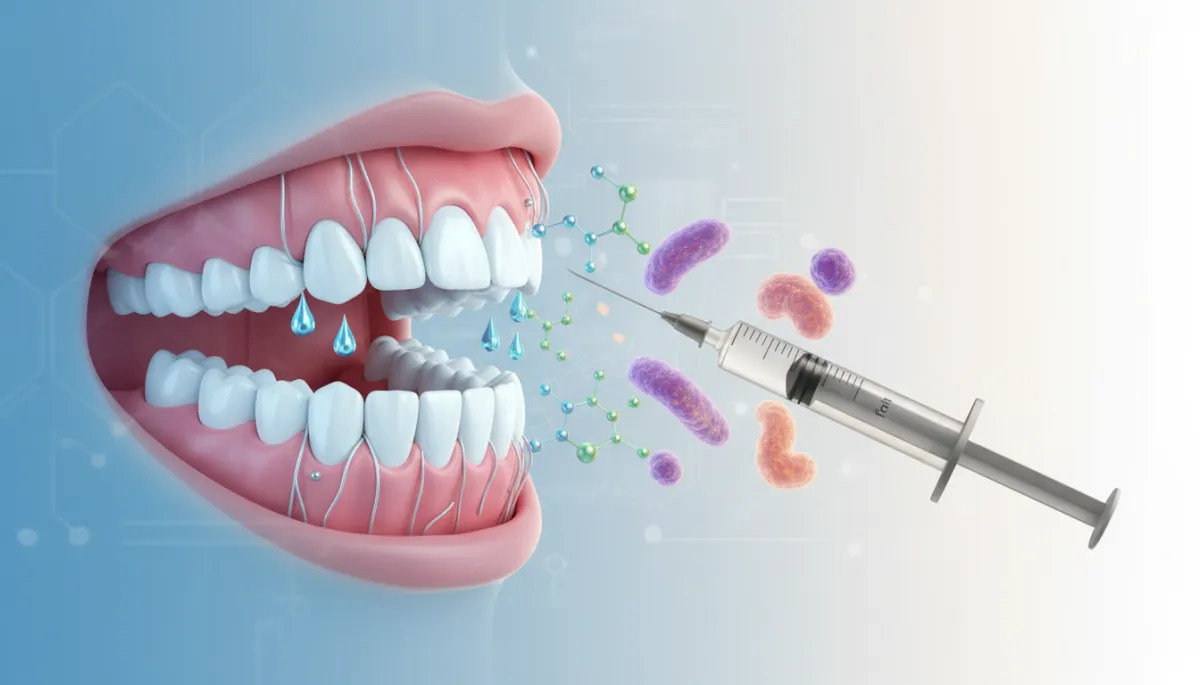
GLP-1 Drugs: Impact on Oral Health
Health, Oral Health, GLP-1 Medications
GLP-1 Drugs and Your Mouth: What Ozempic and Wegovy Users Need to Know
Using a GLP-1 medication like Ozempic or Wegovy? These drugs are transforming diabetes care and weight management—but they can also quietly influence your teeth and gums. As more professionals add GLP-1s to their health toolkit, understanding the oral health connection is essential if you want to protect your smile while improving your metabolic health.
Protecting Your Smile on GLP-1 Therapy
What Ozempic and Wegovy Users Should Know About Oral Health
Why GLP-1 Medications Are in the Spotlight
GLP-1 (glucagon-like peptide-1) receptor agonists were initially developed for type 2 diabetes, but drugs like Ozempic and Wegovy (both semaglutide) are now widely used for weight loss as well. Their benefits are significant: better blood sugar control, reduced cardiovascular risk, and meaningful weight reduction for many patients. These changes can support overall health, including oral health, because poorly controlled diabetes is strongly linked with gum disease and delayed healing (Frontiers in Endocrinology).
At the same time, as millions of people start or stay on GLP-1 medications for years, dentists and researchers are seeing patterns that deserve attention. Media reports have even coined the term "Ozempic teeth" to describe rising complaints of tooth decay, sensitivity, and enamel damage among some GLP-1 drug users (Healthline).
🔑 Key Insight: GLP-1 drugs are powerful allies for metabolic health—but like any long-term therapy, they work best when you also protect your day-to-day quality of life, including your smile.
How GLP-1 Drugs May Affect Your Mouth
Current evidence suggests that GLP-1 medications do not directly "attack" the teeth. Instead, several common side effects can indirectly impact your oral health if they are not managed carefully.
Dry mouth (xerostomia). Emerging research indicates that semaglutide may influence salivary gland function, leading to reduced saliva flow in some patients (Biology (Basel), 2025). Saliva is your mouth's natural defense system; it neutralizes acids and helps wash away food and bacteria. Persistent dryness can significantly increase the risk of cavities and gum disease.
Nausea, vomiting, and reflux. Gastrointestinal symptoms are among the most common side effects of GLP-1 therapy. A 2026 letter in the British Dental Journal highlights that repeated exposure of teeth to stomach acid from vomiting or reflux can erode enamel and heighten sensitivity and decay risk. This is particularly relevant during dose escalation or if side effects persist.
Changes in eating patterns. Many Ozempic and Wegovy users eat less frequently, choose softer foods, or skip meals due to reduced appetite or nausea. Grazing on refined carbohydrates or sipping sweetened beverages to "get something down" can bathe teeth in sugar throughout the day, especially when combined with dry mouth.
Are There Any Oral Health Benefits?
There may be. By improving blood sugar control and supporting weight loss, GLP-1 drugs can indirectly reduce systemic inflammation. A 2026 scoping review in the Journal of Periodontology suggests that GLP-1 receptor agonists may help modulate inflammation and tissue repair in the gums, although robust human trials are still lacking. In other words, better metabolic health could support healthier gums—provided that side effects like dry mouth and erosion are proactively managed.
Regular dental visits help GLP-1 users catch dry mouth and enamel issues early.
Practical Steps GLP-1 Drug Users Can Take Now
You don't have to choose between your metabolic health and your smile. With a few targeted habits—and the right dental partner—you can protect both.
Tell your dentist you are on a GLP-1 drug. Include the drug name, dose, and how long you have been using it. This context helps your dentist interpret any new sensitivity, erosion, or decay patterns.
Address dry mouth early. Sip water regularly, avoid tobacco and excessive caffeine, and consider sugar-free lozenges or saliva substitutes if recommended. If you wake with a sticky, dry mouth or struggle to chew and swallow dry foods, raise this with your dentist or prescriber.
Protect your enamel after vomiting or reflux. Do not brush immediately; the enamel is softened by acid. Instead, rinse with plain water or a fluoride mouthwash, or a mixture of water and a small amount of baking soda to help neutralize acid. Wait at least 30 minutes before brushing.
Strengthen your daily routine. Brush twice daily with a fluoride toothpaste, floss or use interdental cleaners once a day, and ask your dentist if a prescription-strength fluoride toothpaste or varnish is appropriate given your risk level.
Plan regular check-ups. More frequent cleanings and examinations—every three to four months rather than twice a year—may be advisable during the first year on GLP-1 therapy, especially if you experience significant side effects.
🔑 Key Takeaway: GLP-1 drugs like Ozempic and Wegovy can improve your overall health, but they may also create new challenges for your teeth and gums. Proactive communication with your dentist and consistent home care are essential to prevent "Ozempic teeth" from becoming your reality—and to unlock the confident, healthy smile you're working toward.
Looking Ahead: What We Still Need to Learn
Research on GLP-1 medications and oral health is still evolving. Large, long-term clinical studies specifically tracking enamel wear, salivary flow, and gum health in GLP-1 users are only just beginning. Until we have clearer data, the most practical approach is awareness, prevention, and close collaboration between you, your prescriber, and your dental team.
If you are benefiting from Ozempic, Wegovy, or another GLP-1 drug, you deserve to keep those gains—and your smile. If you're on GLP-1 therapy and noticing dry mouth, sensitivity, or changes in your teeth, don't wait. Connect with a dentist who understands GLP-1 medications, review your oral health plan, and take the next step toward a stronger, more confident smile.